Tile Calculator
Tell us the room size and the tile you're using. We count the tiles the way they'd actually be laid (full grid, grout gaps included), then add cutting waste and convert it to boxes.
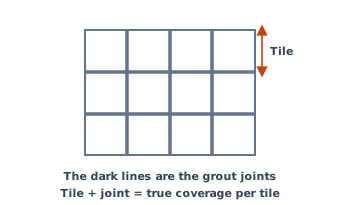
How the tile count is calculated
Most calculators just divide areas, which undercounts. This one uses the grid (pitch) method: each tile takes up its own size plus one grout gap. For a room, we count tiles along the length and the width separately and multiply, so partial tiles at the edges count as whole tiles you have to buy, exactly as on a real job.
If you only know the area (a backsplash, for example), the count is area ÷ tile-and-gap area. Either way, a waste allowance is then added: 10% for a straight lay, 15% for diagonal, 20% for complex patterns, the allowances tile manufacturers and installers standardly recommend.
Need the grout itself? The Grout Calculator works it out from the same measurements.
Sources
The figures behind this calculator come from published manufacturer data and industry standards:
Worked examples
10 × 12 ft floor, 12 in tiles
1/8 in grout gap, straight lay (10% waste), 10 tiles per box.
Buy 14 boxes (132 tiles)
5 × 8 ft bathroom, 6 in tiles
1/8 in gap, 10% waste, 20 tiles per box.
Buy 9 boxes (176 tiles)
30 sq ft backsplash, 3 × 6 in tiles
Known-area mode, 1/8 in gap, 10% waste, 20 per box.
Buy 13 boxes (249 tiles)
Frequently asked questions
How many tiles do I need for a 10×12 room?
Why not just divide the room area by the tile area?
How much extra tile should I buy for waste?
Does grout gap really change the count?
Related calculators
Grout Calculator
Pounds and bags of grout by tile size and joint width.
Flooring Calculator
Boxes of laminate or vinyl plank for your room.
Carpet Calculator
Square yards of carpet, allowing for roll width.
Concrete Bag Calculator
How many 40, 60 or 80 lb bags of concrete you need, and what they'll cost.
Estimate disclaimer: results are planning estimates based on standard manufacturer yields and coverage figures. Site conditions, product choice and installation method change actual quantities. Verify before you buy, and follow local building code for structural work. This tool does not replace professional engineering advice.
Use this calculator on your own site
Free to embed. Paste this code where you want the calculator to appear. It carries a small "by Figure My Build" credit link, which is all we ask.